What Is a Carajillo? Ingredients and Main Variations

The cover and diagrams are illustrations generated with artificial intelligence.
A carajillo is a drink that combines coffee with alcohol. That combination allows for different preparations: it can be served hot, made with ice, or include sugar, citrus and spices. Coffee and alcohol are the starting point; the exact recipe depends on the version you choose.
Three things to know when you see one on a menu:
- A carajillo contains coffee and alcohol, and the type of liqueur or spirit varies between recipes.
- Temperature and mixing method influence how the drink is served.
- A ready-to-drink carajillo is a packaged product, and its label provides information about its composition.
What Does Carajillo Mean?
The Real Academia Española defines a carajillo as a drink made with hot coffee and a high-strength alcoholic beverage. That definition captures its simplest form: coffee with alcohol added.
Cold preparations expand the range of drinks you may find under this name. For example, the Carajillo 43 recipe published by Licor 43 combines espresso, liqueur and ice. These two references help explain why two establishments might serve different drinks when you order a carajillo.
The meaning of the name and stories about the drink’s origins are separate questions. The RAE records the word’s etymology as a diminutive of “carajo.” That information explains how the term was formed; dating the drink’s origins or attributing it to a particular place requires further historical documentation.
What Ingredients Are in a Carajillo?
Coffee forms the base of the drink. It may be hot coffee in a simple version or espresso in a cold recipe. Its concentration, temperature and quantity are part of the choices made in each recipe.
The alcoholic ingredient is the second component worth identifying. Brandy, rum and liqueurs produce different combinations. The official 2025 guide to Castellón’s Ruta del Carajillo documents regional preparations with options such as rum, brandy, whisky or anise liqueur, alongside sugar, lemon and cinnamon.
The other ingredients depend on the version. Ice belongs to cold preparations; sugar, citrus and spices appear in some recipes. Each addition affects what you might want to ask before ordering, particularly if you prefer a less sweet drink or want to know every ingredient it contains.
The ingredient list also helps distinguish a recipe from a brand. Licor 43 is one specific option with its own published preparation. The name “carajillo” covers other combinations of coffee and alcohol.
Three Variations You May Find
Hot Coffee Carajillo with Brandy
This version follows the simple structure of hot coffee plus an alcoholic beverage. Brandy fills that second role, and the coffee is served hot. Quantities and added sugar depend on the establishment’s recipe.
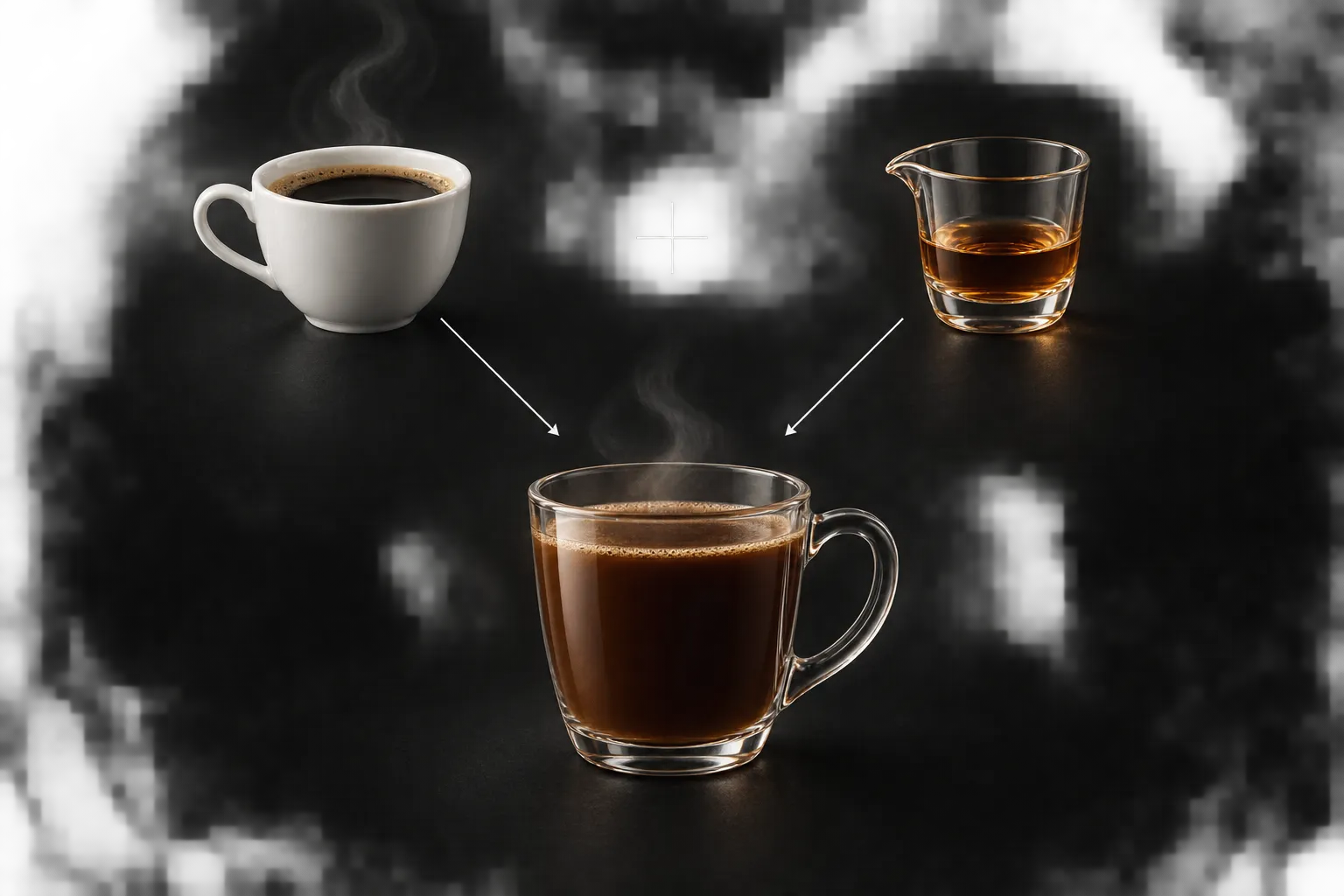
Hot coffee + brandy. The diagram identifies the ingredients; vessel sizes do not indicate proportions.
The useful question is straightforward: “Which brandy does it contain, and is it sweetened?” The answer clarifies two important choices before you order.
Carajillo 43 with Ice
The official Carajillo 43 recipe uses espresso, 50 ml of Licor 43 and ice. The brand presents serving methods that allow the ingredients to be stirred or shaken.
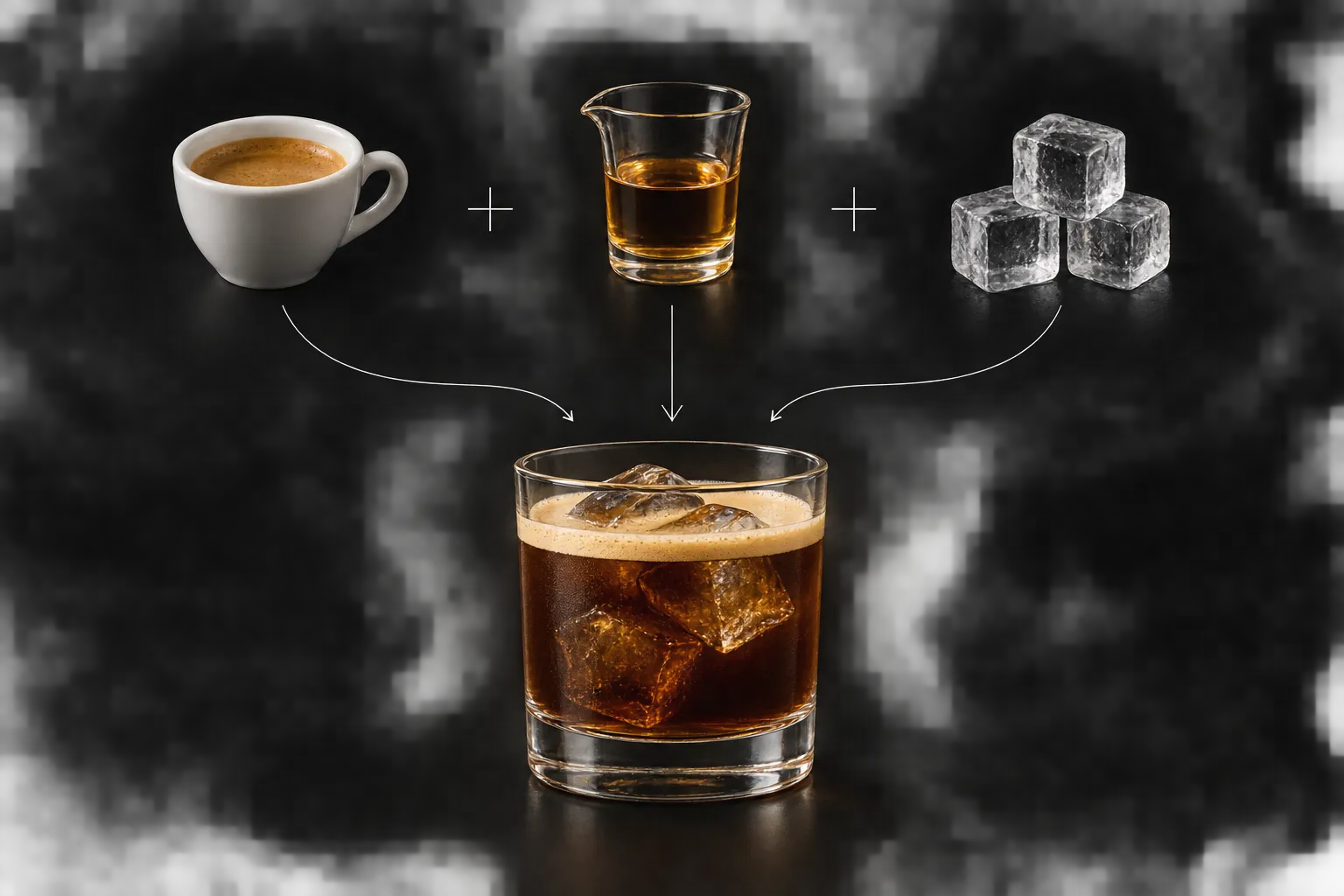
One espresso + 50 ml of Licor 43 + ice, following the brand recipe cited above. The sizes and number of ice cubes shown are illustrative.
This variation is easy to identify by the liqueur in its name. You can ask whether the bar serves it shaken or stirred and how much coffee it uses. The answer describes the drink more clearly than a reference photograph, because its appearance also depends on the preparation.
Carajillo Quemado or Cremaet
The carajillo quemado appears in the regional tradition documented by the Castellón guide. The term cremaet is associated with these preparations, which may include sugar, lemon peel and cinnamon alongside the coffee and alcoholic base.
The name refers to flaming the alcoholic base during preparation. This treatment is part of the recipe before the coffee is added. A cremaet remains an alcoholic drink.
Regional recipes vary. It is worth asking which spirit and ingredients each establishment uses. The name gives you a clue about the preparation; the menu description helps you understand the particular version you will receive.
| Variation | Defining ingredients | Serving details to confirm |
|---|---|---|
| Hot coffee with brandy | Coffee and brandy | Temperature and added sugar |
| Carajillo 43 | Espresso and Licor 43 | With ice, stirred or shaken |
| Quemado or cremaet | Coffee, alcohol and possible citrus or spices | Regional recipe and ingredients |
What Is a Ready-to-Drink Carajillo?
A ready-to-drink carajillo brings the preparation together in a packaged product. The expression describes the format. The label and the manufacturer’s instructions tell you what it contains, how to store it and how to serve it.
Check the container volume, alcohol content and serving instructions. Also check any ingredient and allergen information declared on the product. These details help you compare options accurately.
A carajillo’s alcohol content depends on its composition and the proportions used. For a packaged product, check the alcohol percentage shown on the label. At a bar, ask about the recipe and serving size to better understand what you are ordering.
What to Ask When Ordering a Carajillo
You can start with four questions when you find a carajillo on a menu:
- Which liqueur or spirit does it contain?
- Is it served hot or with ice?
- Does it include sugar, syrup or other ingredients?
- Is it prepared to order, or does the bar use a ready-to-drink product?
These questions help you choose according to your preferences and understand the establishment’s offering. A description such as “espresso with Licor 43 and ice, shaken” provides specific information about ingredients and serving style.
The next step is to learn about the version that interests you: its ingredients, presentation and instructions. Explore NOCTURNE Carajillo to learn about the brand and consult its product information. This content is intended for adults.
NOCTURNE publishes this guide using sources from the RAE, Licor 43 and Castellón’s Ruta del Carajillo. You can send questions or corrections through our contact form.